Fixed-Bid vs Cost-Plus: How Utah Custom Home Contracts Actually Work
The difference between fixed-bid and cost-plus custom home contracts in Utah — how each one protects you, where they fail, and how PrimeWest structures them.
By PrimeWest Construction · Published 2026-04-06
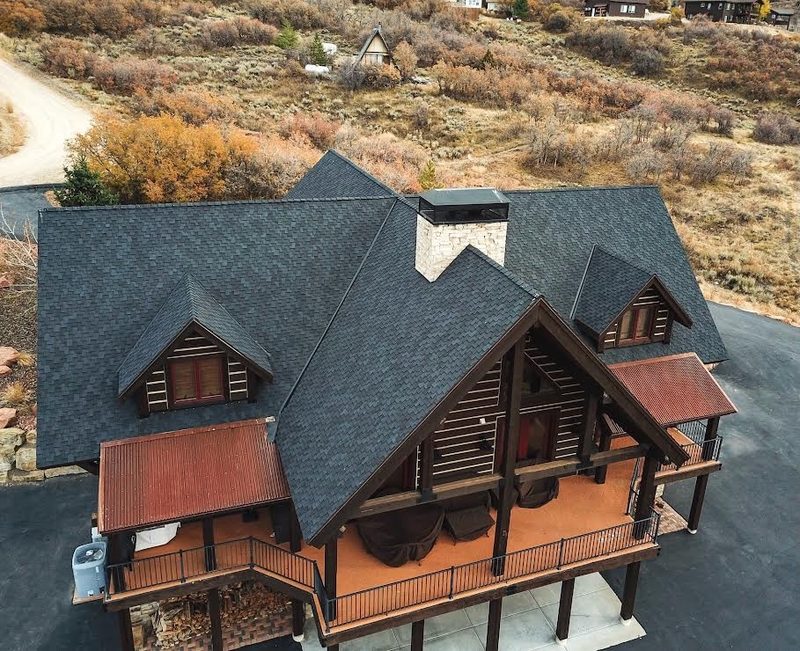
The two main contract structures for custom homes are fixed-bid and cost-plus. Each has an honest case, each has a failure mode, and there’s one specific hybrid that we think works best.
Fixed-bid
The contractor quotes a single, fixed dollar amount for the whole project. If it costs them more, they eat it. If it costs them less, they keep it.
Honest version: Contractor has thoroughly scoped the plans, priced every line item with real subcontractor quotes, and built in a modest contingency. Client gets schedule and budget certainty.
Dishonest version: Contractor quotes low to win the job, then change-orders the client through the nose for anything “unforeseen.” Every clarification of the plans becomes a $5,000 change order.
How to tell honest from dishonest: Ask to see the line-itemed breakdown. Real fixed-bids have real line items. Fake ones have round numbers and vague “allowances.”
Cost-plus
Client pays actual costs of labor + materials + a fee (usually 12–20% of costs). Client sees every invoice and signs off on spend.
Honest version: Client gets full transparency. Actual costs can come in lower than a fixed-bid. Client controls change orders directly.
Dishonest version: Contractor has no incentive to control costs since the fee scales with spend. Overruns become the client’s problem, and “that sub quoted us $X but it ended up being $Y” becomes a weekly conversation.
When cost-plus makes sense: Truly custom, one-of-one builds where scoping is genuinely impossible — or trusting-relationship projects where both sides know each other well.
PrimeWest’s default: fixed-bid with a real contingency
We default to fixed-bid with a transparent 5–8% contingency line item. If we don’t use the contingency, the unused balance gets refunded at close-out. If we hit an unforeseen condition that exceeds it (we crack into a wall and find 1980s aluminum wiring), we show the client the actual cost and we split the overage.
That structure gives the client schedule certainty without us gambling on the unknowns of a specific lot. And it gives us an honest incentive to manage costs, because we don’t keep the contingency.
What to ask any contractor
- Is this fixed-bid or cost-plus?
- If fixed-bid, where are the allowances and what does each one assume?
- What’s the change-order process?
- If we come in under budget, who keeps the difference?
Planning a custom home? (385) 505-4031.
Got a project in mind?
PrimeWest Construction is a licensed general contractor based in American Fork, Utah. We’ll walk your scope and come back with a real fixed-bid estimate.